
Hiking Mardi Himal alone
In early February 2020 I hiked the Mardi Himal Trek in Nepal's Annapurna region, alone and without a guide. It was my first time in Nepal.
Watch it: Hiking Alone in Nepal
In early February 2020 I hiked the Mardi Himal Trek in Nepal's Annapurna region, alone and without a guide. It was my first time in Nepal. I'd come to hike the Annapurna Circuit, but there had been a tragic avalanche in the region a week or two before I arrived, so I looked for something else and found Mardi Himal. From what I saw, it's probably one of the best short treks in Nepal.
It's a ridge hike, which is one of the best kinds, because you get constant views on both sides. As you go up the ridge you're walking toward a really steep peak called Fishtail Mountain, Machapuchare, and once you get out of the forest into the alpine zone there are snow-capped mountains left and right. Views for days. The teahouses take care of your food and your bed, so you can leave the tent and stove at home.
On the trail
What I call day zero is getting to the trailhead. I usually don't like to wake up early. I take my time, get out to the trailhead, walk to a place to sleep, and the next full day is the first day of hiking. I'd got my permits in Pokhara that morning and took the bus to Kande. I hopped off by myself at the trailhead. I hiked about three miles in an hour to Pothana and passed right through Australian Camp. It felt kind of boring, and it was a little overcast, so it wasn't good for filming. There was a checkpoint where they wanted to see my permit.
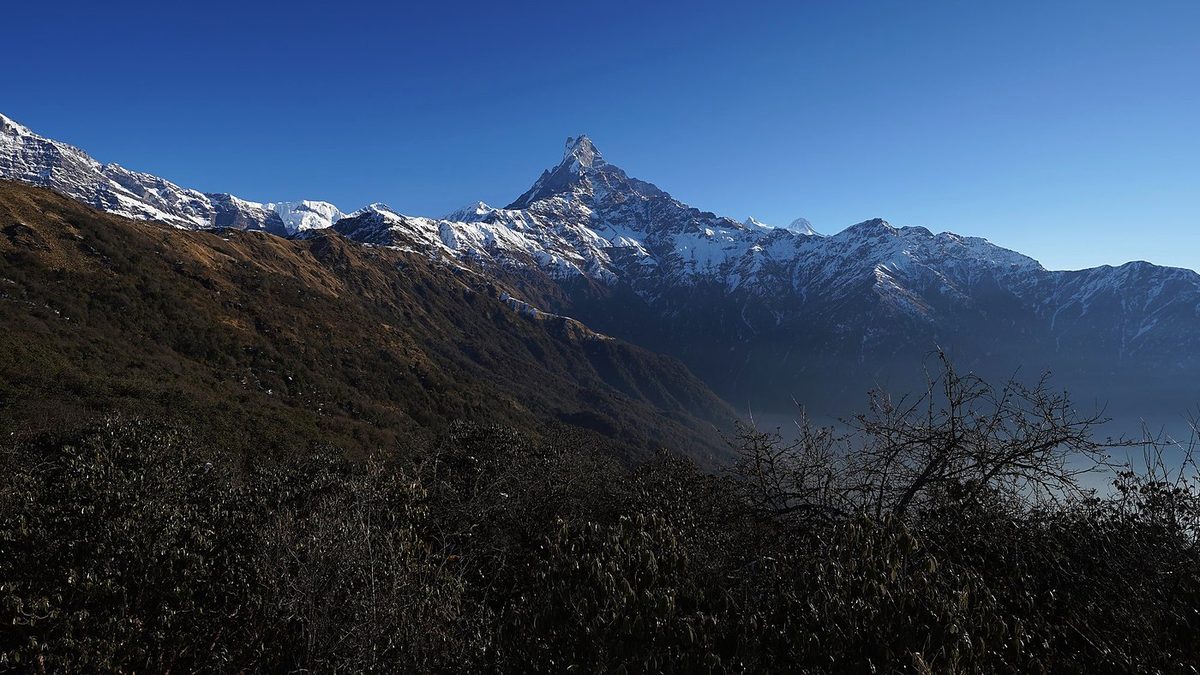
I woke up at six and had breakfast at 6:30. I ordered what they called a heavy breakfast, with a bunch of things. My favorite was the porridge, with honey and bananas: it's just so good in the morning. The teahouse marks down whatever you buy during your stay, and you pay before you head out. My bill for the night was NPR 2,350.
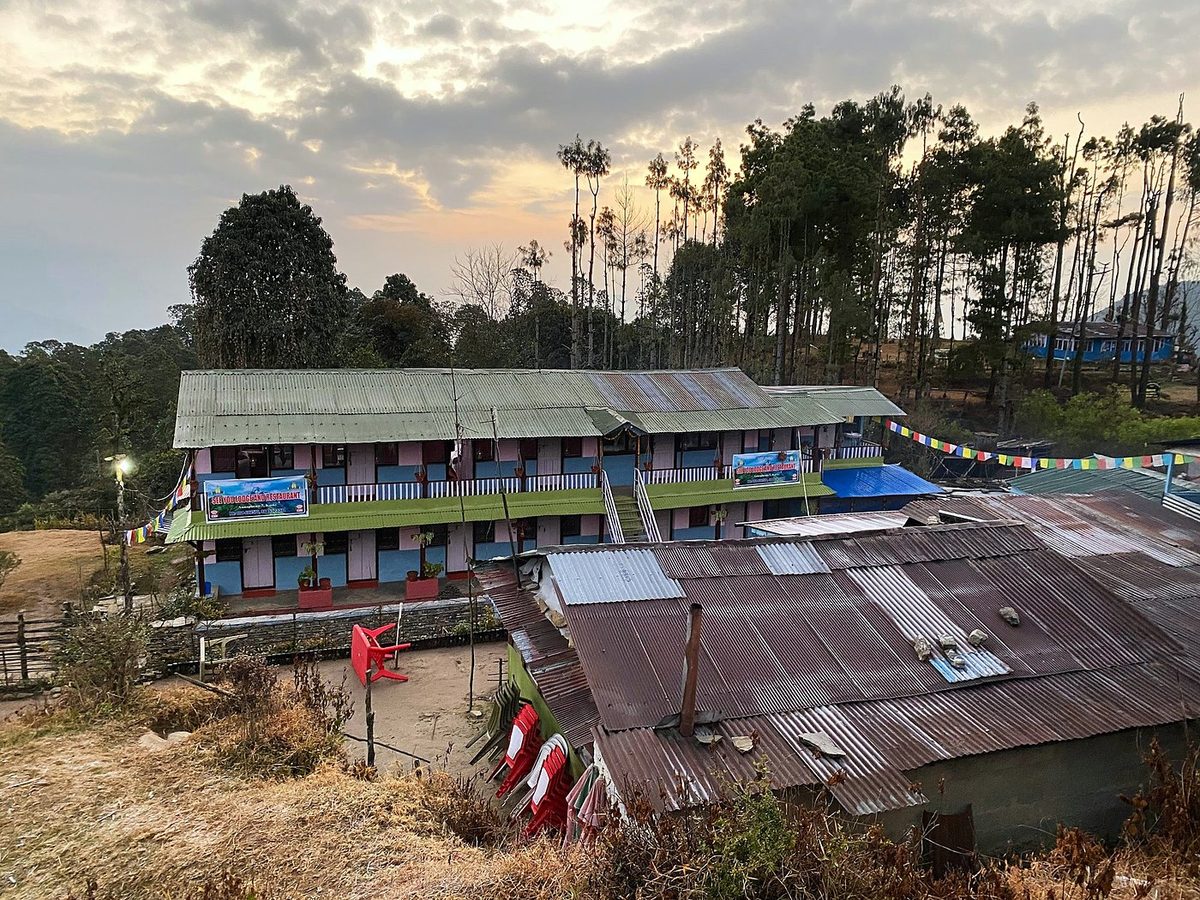
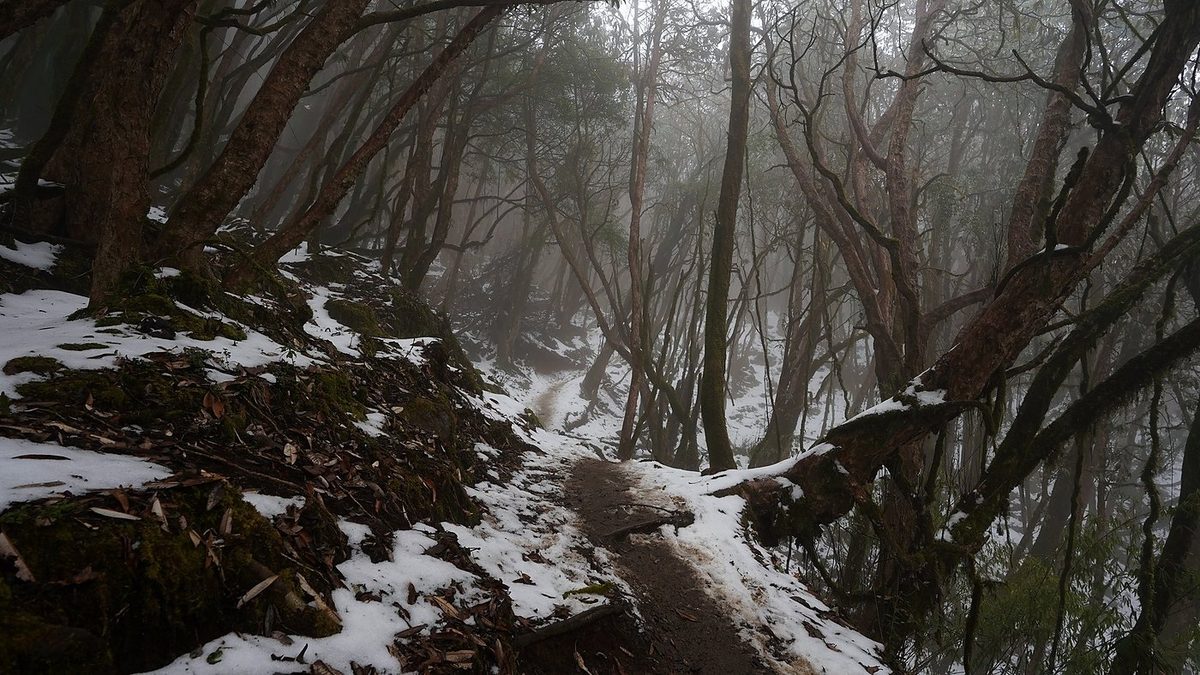
I had a light breakfast of porridge and paid my bill. All in all, I spent about Eventually you get out of the forest and the great views start. At Badal Danda I had a coffee that cost 170 rupees, a little more. The higher you go on the trek, the more you pay for the same thing. I hiked about 3.5 miles in three hours to High Camp. I ran into a couple of other hikers I knew there, and I bought tea for everyone, about three dollars.
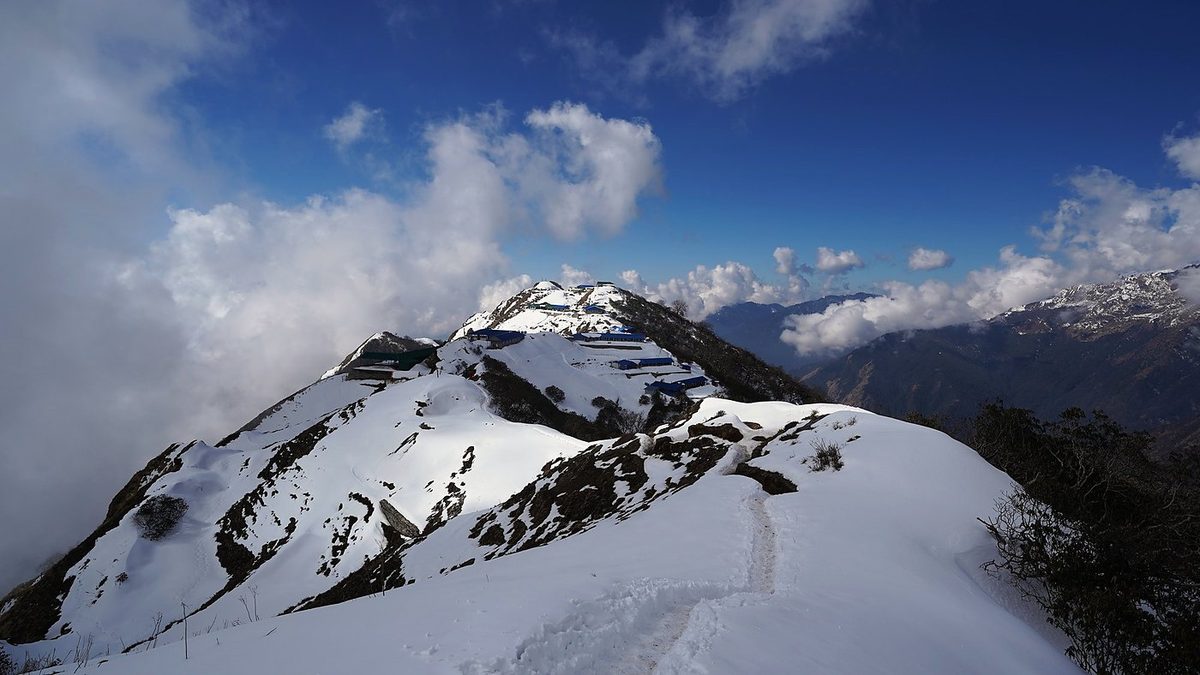
The next morning I planned on "summiting," even though it's not really a summit, just getting to the high point of the ridge. Some people left in the dark. I feel that's a bit unnecessary. I went at sunrise and hiked to the viewpoint, which I think is a good finishing point for the hike. If you get to the viewpoint, good job, you made it. There's a hut, a great 360-degree view of everything, and we had great weather, very clear. You can even buy coffee or tea up there, about three dollars. That was the climax of the trip: coffee went from one dollar to two, and now three. Very expensive.
What I took from it
I did it in three days, plus an afternoon from Kande to Pothana. If I wasn't making a video the whole time, I probably could have done it in two. You can also stretch it out and spend a whole week on the mountain, stopping at every camp. Add at least a day in Pokhara at each end.
For most of the hike you're going up, and it gets a little steep toward the end. The trail is well built, with stone steps through a lot of the forest. On my trip the hard part was the snow and ice above Low Camp in February. I didn't feel any altitude sickness at all, and I felt really good for this hike.
The route day by day, with maps and my GPX files, is in my free guide: Mardi Himal on Follow the Hiker.