
Hiking K2 Base Camp
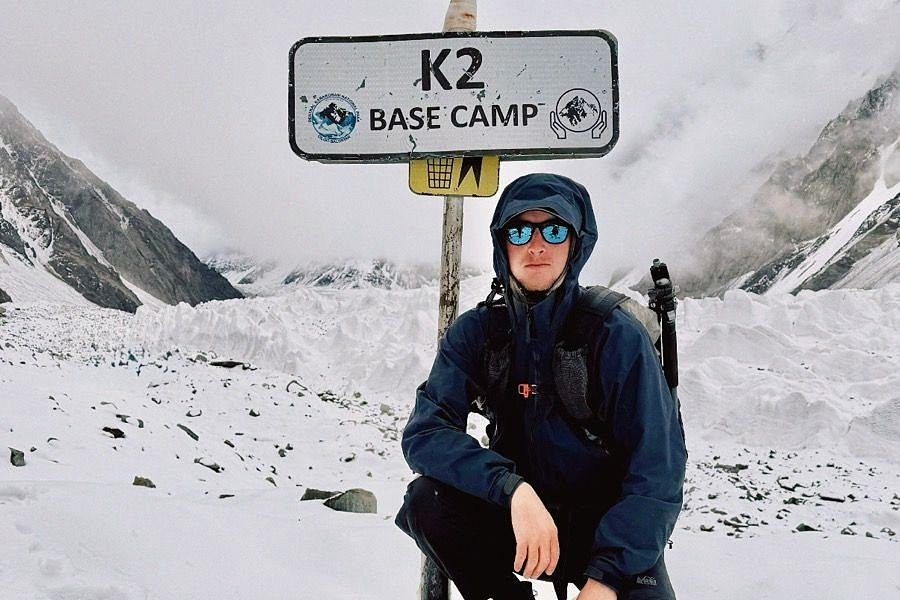
In August 2025 I spent twelve days hiking about 100 miles through Pakistan's Karakoram range to see K2, the second highest mountain in the world.
Watch it: 12 Days Hiking 100 Miles to K2 Base Camp in Pakistan
In August 2025 I spent twelve days hiking about 100 miles through Pakistan's Karakoram range to see K2, the second highest mountain in the world. A small group of subscribers joined me, along with guides, porters, cooks, a goat, a few chickens and a caravan of pack animals carrying everything we needed. We walked from Askole, the last village, up the Baltoro Glacier to Concordia and K2 Base Camp, then went out over the Gondogoro La, a pass we climbed in the dark with crampons and fixed ropes, and down to the village of Hushe.
It was my first time in Pakistan and one of the hardest things I've ever done. It was the longest trek I've ever done and one of the highest passes I've ever gone over. A Pakistani operator organized the whole thing: the logistics, the permits, the food and the team.
On the trail
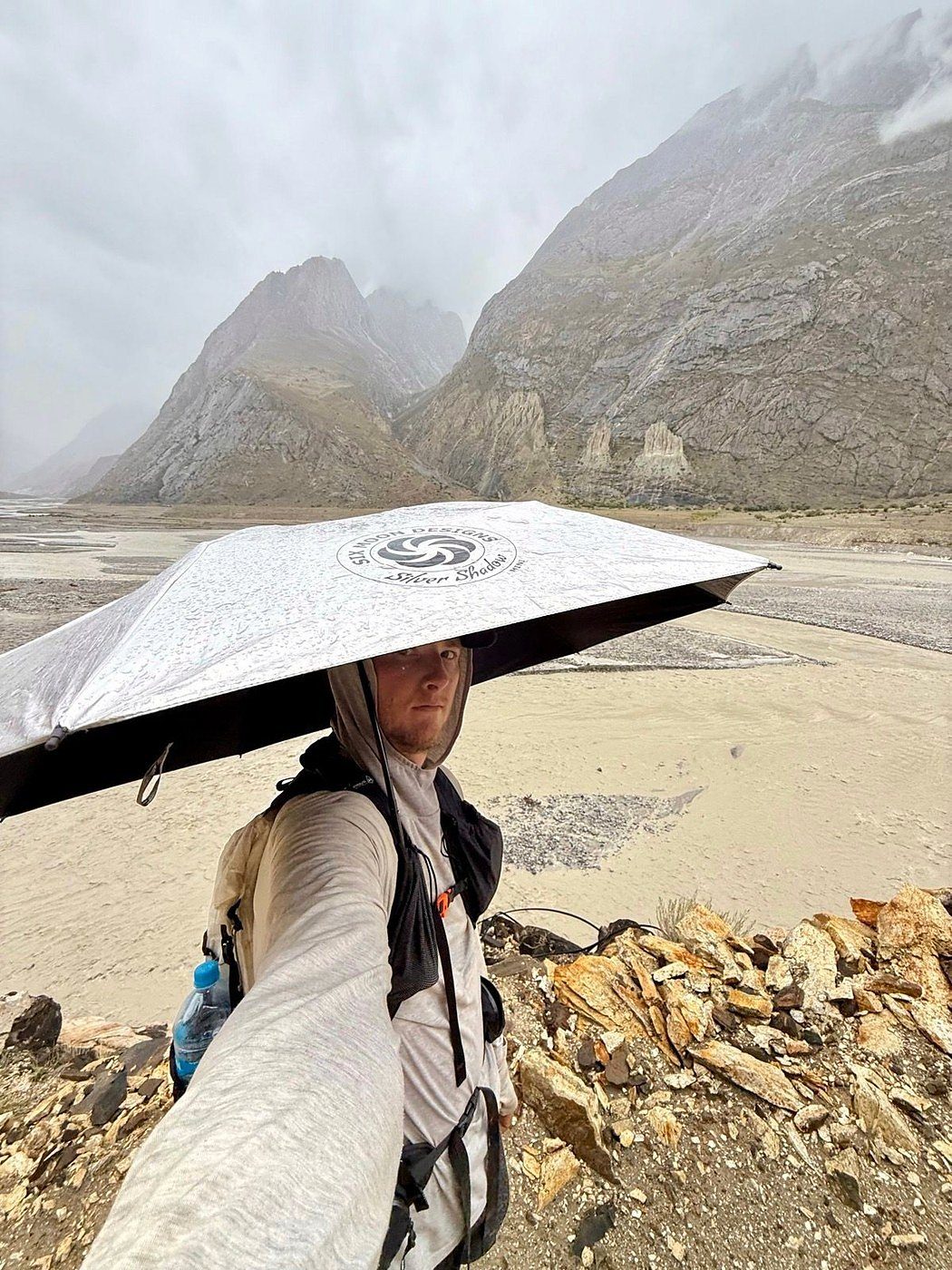
Askole is the last village before the wilderness: small stone homes, terraced fields and kids playing everywhere. It was the final touch of civilization before we stepped onto the trail. The first day was long and hot. Lunch was fresh fruit, mangoes and melon cut that morning. The porters and pack animals passed us, including our goat, who the group named Messi, because Messi is the goat. Rain came in and the umbrellas came out. That umbrella ended up being one of the most useful pieces of gear I brought.
The mornings started with bread, eggs, porridge, fruit, coffee and tea. I appreciated the warm water stations set out each morning and before each meal. Being able to wash your face and hands on a trek like this is a small thing that makes a huge difference. We followed the river, which was brown and violent from flooding. The team carried so much Coca-Cola for us it became a running joke. As the clouds cleared, huge mountains appeared on both sides of the valley, and crossing a stream gave us our first real look at the sharp peaks we'd be hiking toward.
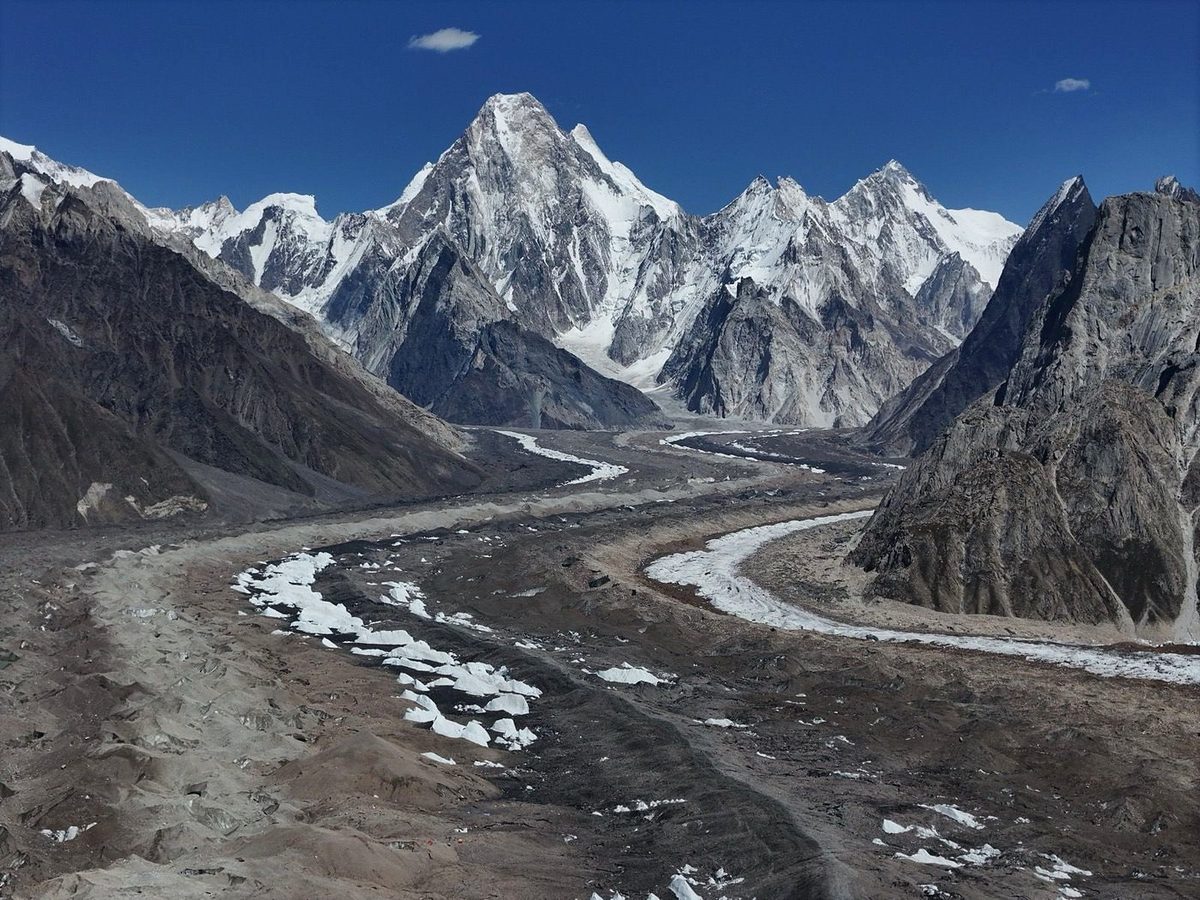
We walked straight up the glacier, past huge ice melt towers and deep crevasses. Gasherbrum IV glowed in the morning light. At lunch my appetite was endless. I had seconds, then thirds. I feel like I eat way more than most hikers. At camp, popcorn really hit the spot. As the sun dropped, the glacier melted just enough to reflect the light. That night, sadly, Messi the goat's journey ended, and we had goat for dinner.
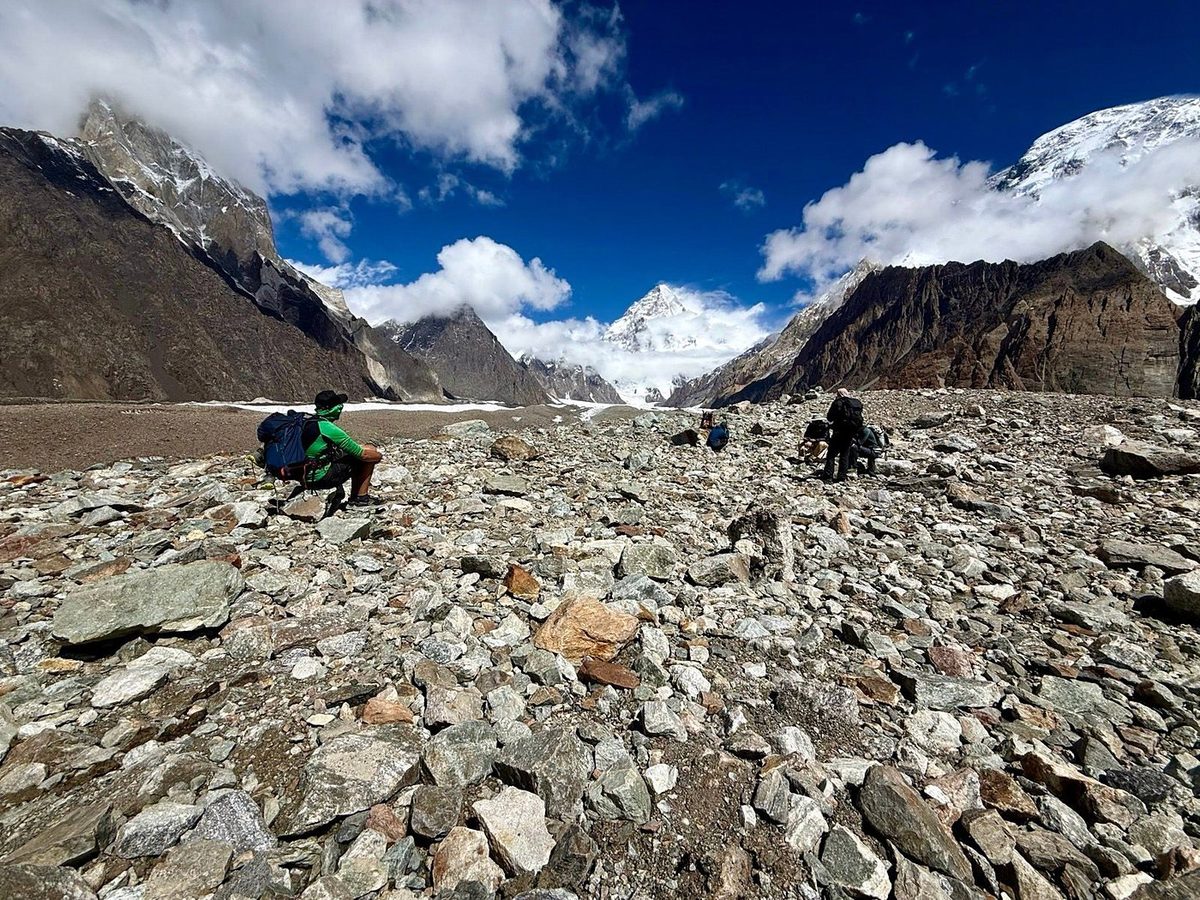
The next day the team split. The pack animals and some of the gear went back the way we came. From here on we traveled light. The ground was covered in snow and deep ravines slowed us down. This was the day I realized alpine glasses are essential. The reflection off the snow was intense, and I wish I'd had more protective glasses. We checked our alpine gear for the next day and went to bed early, because we'd be waking up at midnight.
We rested at Khuispang the day we came over the pass and walked on the next morning. It was warmer and all downhill. Breathing felt easier, and I even ran parts of the trail. We had one big stream crossing, and I watched the landscape slowly turn green again. The trees came back, and so did softer ground. At camp, tables and chairs were waiting.
On the final day we said goodbye to the old man who owned the camp. The last obstacle was a river crossing in a hanging basket surrounded by ropes. We crossed slowly, one at a time. My shoes were destroyed by this point, but thanks to Aziz's patch job earlier in the trek, they survived to the very end. We reached Hushe, a small farming village, and the trek officially ended. The team got paid, the jeeps were loaded, and we began the long drive back to Skardu, over the same broken bridges we had crossed on the way in.
What I took from it
I walked 12 days from Askole to Hushe, with no full rest day. Add a day in Islamabad, the flight to Skardu, a jeep day each way and spare days for flights and weather. My card records put me in Pakistan for about 19 days. The Gilgit-Baltistan tourism department gives 14 to 20 days for the trek, depending on the route.
I went in August. The season is June to September, and the Gondogoro La is normally crossed from late June to about the end of August.
The route day by day, with maps and my GPX files, is in my free guide: K2 Base Camp on Follow the Hiker.